Harnessing Tradition: How Jewelry Factories Maintain Their Edge
In a world driven by technological advancements, how do traditional industries like jewelry manufacturing thrive? The secret lies within the walls of a jewelry factory, where centuries-old artistry meets modern innovation. Imagine standing in a bustling jewelry factory, watching artisans deftly shaping metal with precision tools—just like their forebears did, centuries back. The amalgamation of craftsmanship and technology brings forth a question: can the past and the future coexist harmoniously? Well, buckle up because we’re about to dive into this sparkling journey!
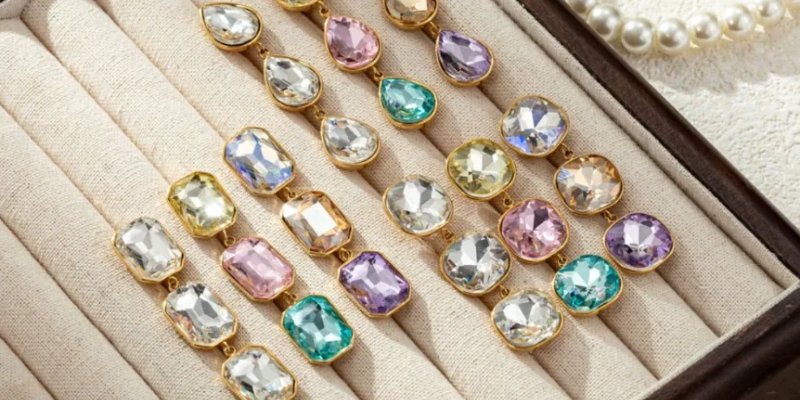
The Challenges of Tradition: Hidden Pain Points in Jewelry Manufacturing
Despite the glitter and glamor of these enchanting pieces, jewelry factory operations face traditional solution drawbacks. The most glaring issue often lies in the inefficient utilization of resources. Current practices prioritize manual labor and skill over automation, which can slow down production speed. Let’s be honest, traditional methods sometimes falter—who hasn’t misplaced a tiny gemstone or felt frustrated by metal rework delays? Furthermore, without the adoption of cutting-edge technologies like CAD systems or power converters, achieving precise design dimensions becomes challenging.
Are We Overlooking the Small Details?
Another significant hurdle, often overlooked, is maintaining quality control. Jewelry crafting involves intricate processes, yet manual checks can miss minute defects, leading to customer dissatisfaction. However — and here’s the kicker — integrating edge computing nodes could revolutionize this aspect by providing real-time monitoring capabilities that are currently out of reach.
The Future of Jewelry Manufacturing: Embracing New Technologies
So, what does the future hold for the dynamic world of jewelry manufacturing? Let’s gaze into the technological horizon where surprises await. As new technology principles are adopted, the transformation within the walls of a jewelry factory could be nothing short of groundbreaking. Imagine a factory floor bustling with automated efficiency, where smart technologies from 3D printing to AI-driven quality checks revolutionize traditional practices. This innovation leap not only enhances production speed but maintains the meticulous quality that hand-crafted jewelry is known for — incredible, isn’t it?

What’s Next?
As we peer beyond the present, consider this: with real-world impact becoming visible, more jewelry factories are swiftly turning to hybrid models blending human expertise with machine precision. It’s a thrilling time where art meets science, creating exquisite pieces in previously unimagined ways. Jewelry makers are now empowered to focus even more on creativity, letting technology manage the mundane. This transforms not only the pieces themselves but the entire industry, paving a golden path forward.
In conclusion, by embracing new technologies, we can address the traditional flaws and hidden pain points within the jewelry manufacturing process. As we bid farewell to outdated methods, it’s essential to remember the lessons we’ve learned here: balance tradition with innovation, optimize resource use, and focus on quality control. Choosing the right path will guarantee the sparkle and longevity of treasured designs. Remember, in the journey of evolution, every shine counts—funny how that works, right? For more insights, explore Star Harvest, your gateway to a glittering future.