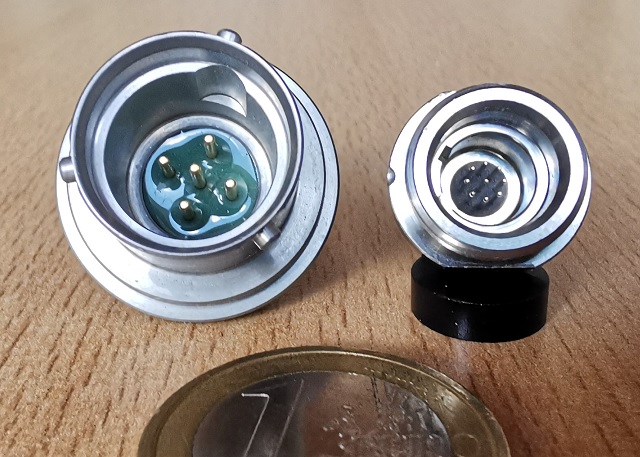
High-performance industries rely on components that can maintain reliability under extreme operating conditions. Whether used in aerospace systems, defense equipment, medical devices, semiconductor manufacturing, or energy infrastructure, maintaining environmental protection is critical for long-term success. One of the most important elements in these systems is the hermetic feedthrough, which allows electrical signals and power to pass through sealed enclosures without compromising protection.
However, selecting the right hermetic feedthrough requires more than simply choosing a connector or electrical interface. The overall effectiveness of the system depends on the quality of the hermetic seals and hermetic connectors that work together to create a complete barrier against moisture, gases, contaminants, and pressure changes. Industry leaders such as PAVE Technology have demonstrated how precision-engineered hermetic solutions can help organizations achieve exceptional reliability in demanding applications.
Understanding the Role of Hermetic Seals
A hermetic seal is designed to prevent the passage of air, moisture, liquids, and contaminants between environments. In many industrial systems, sensitive electronic components are housed within sealed enclosures that must remain isolated from external conditions.
Even minimal contamination can negatively affect equipment performance. Moisture intrusion may cause corrosion, electrical shorts, or degradation of sensitive components. Dust and chemical contaminants can interfere with system operation, while pressure changes may compromise structural integrity.
Hermetic seals provide a long-term solution by creating an airtight and leak-proof barrier. This protection is particularly important when electrical connections must pass through a sealed enclosure. In these situations, a hermetic feedthrough serves as the interface that allows electrical transmission while maintaining the integrity of the hermetic seal.
Why Hermetic Connectors Matter
Hermetic connectors are essential components that support signal and power transmission in sealed systems. Unlike conventional connectors, hermetic connectors are specifically designed to preserve environmental isolation while maintaining electrical performance.
These specialized connectors are commonly used in applications where equipment is exposed to:
- Extreme temperatures
- High pressure environments
- Vacuum conditions
- Moisture exposure
- Corrosive chemicals
- Mechanical vibration
- Electromagnetic interference
The right hermetic connector ensures reliable communication and power transfer while preventing environmental intrusion. This makes connector selection a critical part of any high-performance hermetic system.
Key Factors to Consider When Selecting a Hermetic Feedthrough
Choosing the ideal hermetic feedthrough requires a thorough understanding of application requirements. Engineers must evaluate several factors to ensure optimal performance.
Environmental Conditions
The operating environment is often the first consideration. Different applications expose equipment to varying levels of stress.
Questions to evaluate include:
- Will the system operate in a vacuum?
- Is the equipment exposed to moisture or chemicals?
- What temperature range must the feedthrough withstand?
- Will vibration or shock be present?
Hermetic seals and connectors must be designed to withstand these conditions without degradation over time.
Electrical Requirements
Electrical performance is another critical factor. Feedthrough systems may carry power, high-speed data, radio frequency signals, or sensitive sensor information.
Key electrical considerations include:
- Voltage requirements
- Current capacity
- Signal frequency
- Data transmission rates
- Insulation resistance
- Electromagnetic compatibility
Selecting components that meet these specifications helps ensure reliable operation throughout the equipment lifecycle.
Mechanical Strength
Many high-performance applications involve significant mechanical stress. Aerospace systems, military vehicles, and industrial machinery often experience vibration, shock, and pressure fluctuations.
Hermetic connectors and feedthrough assemblies must maintain structural integrity under these conditions. Proper material selection and robust construction play important roles in achieving this goal.
Choosing the Right Hermetic Seal Technology
Not all hermetic seals are created equal. Different sealing methods provide unique advantages depending on the application.
Glass-to-Metal Seals
Glass-to-metal seals are widely used due to their durability and excellent hermetic properties. They provide strong electrical insulation while maintaining a reliable seal between conductive and non-conductive materials.
These seals are commonly found in aerospace, defense, and medical applications where long-term reliability is essential.
Ceramic-to-Metal Seals
Ceramic-to-metal seals offer exceptional thermal stability and resistance to harsh environments. They are often selected for applications involving high temperatures, vacuum chambers, and specialized industrial processes.
Advanced Composite Sealing Solutions
Modern manufacturing technologies have introduced advanced sealing materials that combine durability, flexibility, and environmental resistance. These solutions help address unique engineering challenges in emerging industries.
Companies such as PAVE Technology utilize advanced sealing techniques to create customized solutions for demanding applications.
Material Selection for Hermetic Connectors
Materials play a significant role in determining connector performance and longevity.
Common materials used in hermetic connectors include:
- Stainless steel
- Titanium
- Nickel alloys
- Copper alloys
- High-performance ceramics
- Specialized insulating materials
Each material offers specific advantages related to corrosion resistance, thermal performance, electrical conductivity, and mechanical strength.
For example, titanium may be preferred in aerospace applications due to its high strength-to-weight ratio, while stainless steel is often selected for its corrosion resistance and durability.
Evaluating Testing and Certification Standards
Quality assurance is essential when selecting hermetic components. Reputable manufacturers subject their products to rigorous testing to verify seal integrity and long-term performance.
Common testing procedures include:
- Helium leak testing
- Pressure cycling
- Thermal shock testing
- Vibration testing
- Electrical continuity testing
- Environmental exposure testing
These tests help ensure that hermetic seals and connectors can perform reliably under real-world operating conditions.
Manufacturers with strong quality programs provide greater confidence that components will meet demanding performance requirements.
Customization for Specialized Applications
Many industries require unique solutions that cannot be met with standard components. Custom-designed hermetic connectors and feedthrough assemblies allow engineers to address specific operational challenges.
Customization options may include:
- Unique pin configurations
- Specialized connector geometries
- Custom mounting designs
- Enhanced environmental protection
- Application-specific materials
- High-density electrical layouts
PAVE Technology is recognized for developing customized hermetic sealing solutions tailored to the needs of aerospace, defense, medical, and industrial customers.
Balancing Reliability and Cost
While cost considerations are always important, selecting hermetic components based solely on price can lead to significant long-term expenses.
Equipment failures caused by inadequate sealing may result in:
- Production downtime
- Repair costs
- Component replacement
- Safety risks
- Reduced equipment lifespan
Investing in high-quality hermetic seals and connectors often delivers greater value by minimizing maintenance requirements and improving overall system reliability.
Future Trends in Hermetic Technology
As industries continue to evolve, hermetic technology is becoming increasingly sophisticated. Emerging applications require smaller, lighter, and more capable sealing solutions that can support advanced electronics and higher data transmission rates.
Future developments may include:
- Miniaturized hermetic connectors
- Enhanced sealing materials
- Higher-density feedthrough designs
- Improved manufacturing techniques
- Advanced testing methodologies
Manufacturers such as PAVE Technology continue to drive innovation by developing next-generation hermetic solutions that address evolving industry requirements.
Conclusion
Selecting the right hermetic feedthrough for high-performance applications involves much more than choosing an electrical interface. Success depends on understanding the relationship between hermetic seals, hermetic connectors, environmental requirements, material selection, and quality assurance standards.
By carefully evaluating these factors, engineers can create systems that deliver exceptional reliability, durability, and performance in demanding environments. Whether supporting aerospace missions, medical devices, semiconductor equipment, or industrial infrastructure, high-quality hermetic solutions remain essential for protecting critical systems. With trusted manufacturers like PAVE Technology leading the way, organizations can confidently implement hermetic technologies that meet today's challenges and tomorrow's innovations.