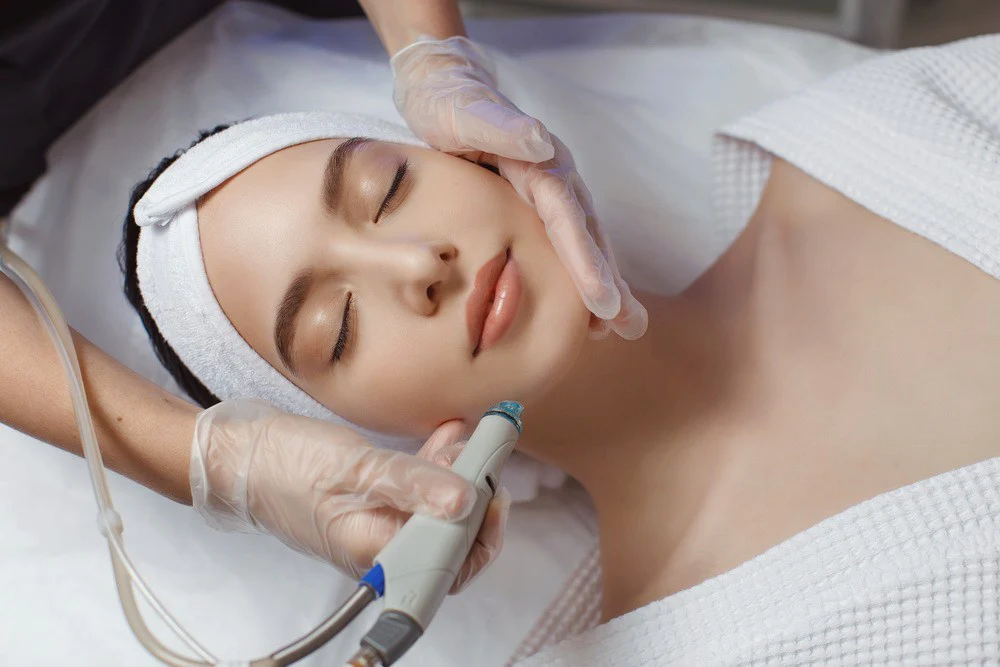
Medical Beauty: Redefining the Pursuit of Aesthetic Enhancement

The concept of beauty has evolved over time, shifting from natural beauty ideals to a world where enhanced beauty is within reach for anyone. Medical beauty, a dynamic fusion of medical science and aesthetic enhancement, has emerged as a major force within the beauty industry, offering individuals innovative solutions for improving their appearance. With a broad array of non-surgical treatments that target everything from skin health to body contouring, medical beauty has become a go-to choice for those seeking a rejuvenated, youthful look without the need for invasive procedures.

So, what exactly is medical beauty, and how does it differ from traditional beauty treatments? Let's explore this booming industry and uncover how it has changed the way we approach beauty.

Understanding Medical Beauty

Medical beauty, often referred to as aesthetic medicine, encompasses a variety of non-surgical treatments designed to enhance or restore one's appearance. While the term "beauty" traditionally implied skincare and cosmetic products, medical beauty involves treatments that are performed by licensed medical professionals, such as dermatologists, plastic surgeons, or specially trained aestheticians. These treatments often utilize advanced technologies or injectables, aiming for results that are subtle, natural-looking, and long-lasting.

What sets medical beauty apart from conventional beauty treatments like facials, manicures, or makeup is that these procedures address aesthetic concerns with a clinical approach. Whether it's smoothing fine lines, improving skin texture, or reshaping the body, medical beauty treatments aim to improve an individual’s overall appearance with minimal downtime and risk.

Why Medical Beauty Is Gaining Popularity

The rise of medical beauty treatments reflects a shift in how we view beauty and wellness. Here are several reasons why medical beauty has grown in popularity:

1. Non-Invasive Solutions

Traditional beauty procedures often involve topical products or manual techniques, but many of the treatments offered by medical beauty are non-invasive or minimally invasive. There is little to no recovery time needed for procedures such as Botox injections, dermal fillers, and laser treatments, which make them incredibly appealing to those with busy lifestyles.

2. Customized Treatment Plans

Medical beauty professionals can tailor treatments to suit each individual’s specific concerns and aesthetic goals. Whether it's correcting pigmentation issues, enhancing facial volume, or tightening skin, medical beauty allows for personalized solutions that take the client's unique features into account.

3. Quick Results with Minimal Downtime

Unlike surgical procedures that require weeks or months of recovery, many medical beauty treatments provide quick results with minimal downtime. Botox and dermal filler treatments, for example, take only minutes to perform and offer noticeable results within a few days, allowing individuals to enjoy their rejuvenated appearance without taking time off work or other activities.

4. Long-Lasting Effects

While traditional beauty treatments like facials or hair removal offer short-term results, many medical beauty procedures provide longer-lasting outcomes. For instance, results from Botox last three to six months, while dermal fillers can last up to a year or longer. Even non-surgical body contouring procedures like CoolSculpting can offer long-lasting fat reduction with proper maintenance.

Popular Medical Beauty Treatments

Medical beauty is a vast field that encompasses a range of treatments, from skincare rejuvenation to body shaping. Here are some of the most sought-after procedures in the medical beauty industry:

1. Injectables: Botox and Fillers

Botox and other neuromodulators like Dysport and Xeomin are the most popular injectables in aesthetic medicine. Botox works by temporarily relaxing the muscles that cause wrinkles, helping to smooth out fine lines, particularly on the forehead, around the eyes, and between the brows. Dermal fillers, on the other hand, are used to restore volume to the face, enhancing areas like the cheeks, lips, and under the eyes. They can also be used to smooth out deep wrinkles and folds.

2. Laser Skin Treatments

Laser treatments have become one of the most advanced and effective ways to address various skin concerns. Some popular types of laser treatments include:

  • Laser Skin Resurfacing: This treatment removes damaged layers of skin and stimulates collagen production to improve skin texture and reduce signs of aging, acne scars, and hyperpigmentation.
  • Laser Hair Removal: A popular solution for long-term hair removal, laser hair removal uses targeted light to disable hair follicles and prevent future growth.
  • Tattoo Removal: Lasers can also be used to break down ink particles, offering an effective solution for unwanted tattoos.

3. Chemical Peels

A chemical peel involves the application of a chemical solution to the skin, which exfoliates the surface and removes dead skin cells. This treatment helps to address acne, hyperpigmentation, and wrinkles by encouraging the skin to regenerate and reveal smoother, healthier skin underneath. Chemical peels can vary in strength from mild to deep, depending on the desired results.

4. Microneedling (Collagen Induction Therapy)

Microneedling uses tiny needles to create micro-injuries in the skin, stimulating the body's natural healing process and boosting collagen and elastin production. This treatment is effective for reducing the appearance of fine lines, acne scars, and stretch marks, while also improving overall skin texture and tone. Microneedling can also be combined with PRP (platelet-rich plasma) therapy for enhanced rejuvenation.

5. Non-Surgical Fat Reduction

Non-invasive fat reduction procedures like CoolSculpting and SculpSure use controlled cooling or heat to target stubborn fat cells. These treatments are ideal for people who struggle with localized fat deposits, particularly around the abdomen, thighs, or flanks. The fat cells are gradually eliminated by the body, resulting in a more contoured appearance without the need for surgery.

6. PRP Therapy (Platelet-Rich Plasma)

PRP therapy is gaining popularity for its ability to rejuvenate both the skin and scalp. This procedure involves drawing a small amount of the patient’s blood, processing it to concentrate the platelets, and then injecting the PRP into areas such as the face or scalp. PRP stimulates collagen production, accelerates healing, and promotes hair growth, offering a natural solution for those looking to restore their youthful glow or combat hair loss.

The Benefits of Medical Beauty

The combination of expertise and technology in medical beauty offers several key benefits over traditional beauty treatments:

2. Customized Treatment Plans

0

Medical beauty procedures are designed to address specific concerns, such as deep wrinkles, volume loss, acne scars, or stubborn fat. This targeted approach helps clients achieve more precise and customized results.

2. Customized Treatment Plans

1

While no medical procedure is entirely risk-free, non-surgical medical beauty treatments are generally considered safe when performed by trained professionals. The risks associated with these treatments are lower compared to invasive cosmetic surgery, making them an attractive option for many individuals.

2. Customized Treatment Plans

2

The ultimate goal of medical beauty treatments is to help individuals feel more confident and comfortable in their own skin. Whether it's smoothing fine lines or improving skin texture, these treatments offer both physical and emotional benefits, enhancing self-esteem and quality of life.

The Future of Medical Beauty

As the field of medical 脫疣療程 continues to evolve, new technologies, treatments, and innovations are emerging to further enhance the options available to clients. The integration of artificial intelligence (AI) and machine learning is set to play a huge role in providing personalized treatment plans and optimizing results. Additionally, as the demand for non-invasive options grows, we can expect even more advanced and effective treatments to become widely available.

Conclusion

Medical beauty has revolutionized the way we think about cosmetic enhancement. By offering non-surgical, personalized treatments that provide long-lasting, natural-looking results, medical beauty has become a go-to choice for individuals looking to improve their appearance without the commitment and risk of surgery. With an ever-expanding array of treatments, and continued technological advancements, medical beauty is poised to be at the forefront of the beauty industry for years to come. Whether you are interested in rejuvenating your skin, sculpting your body, or restoring volume, medical beauty offers an accessible, effective path to achieving your aesthetic goals.

Skin Care The Essentials To Sound And Glow Skin

Our skin is one of the most large organs in our body. It serves as a caring barrier against elements, regulates body temperature, and helps in the soaking up of nutrients. With that being said, it is material to take care of our skin to exert its health and refulgenc. In this article, we will cut into into the essentials of skin care that can help you accomplish healthy and glow skin.

First and firstly, good skin care starts from within. Maintaining a sound and well-balanced diet is key to achieving pleasant skin. Foods rich in antioxidants, such as fruits and vegetables, can help struggle free radicals that cause untimely ripening. Drinking plenty of water is also necessity as it keeps the skin hydrated and flushes out toxins from the body.

In plus to a healthy diet, a proper skincare subprogram is material in achieving healthy and radiance skin. It is requisite to understand your skin type and pick out products that cater to its specific needs. Generally, there are five different skin types: normal, dry, oily, , and spiritualist. Knowing your skin type can help you choose the right products and avoid potency skin problems.

The rudiments of a skincare procedure include cleaning, toning, moisturizing, and sun blocker. Cleansing is the first step and involves removing dirt, make-up, and other impurities from the skin. It is requirement to select a assuage cleaner that does not disinvest away the natural oils of the skin. Toning follows cleanup and helps poise the skin’s pH levels, remove surplus dirt and oil, and tighten pores. Moisturizing is material in maintaining the skin’s hydration and reducing the appearance of fine lines and wrinkles. Lastly, sun blocker is a non-negotiable step in any skincare routine as it protects the skin from harmful UV rays that can cause premature ageing.

Aside from the basics, incorporating a few additive steps in your skin care procedure can further raise the health and appearance of your skin. Exfoliation is a proficiency used to transfer dead skin cells, unclog pores, and meliorate skin texture. It is suggested to once or twice a week, depending on your skin’s sensitivity. Implementing a face mask can also cater various benefits, such as deep cleanup, hydration, and brightening. Again, the relative frequency of use depends on your skin type and the type of mask you are using.

In plus to the external factors, our modus vivendi choices can also greatly affect our skin’s wellness. Lack of sleep out, stress, and smoke can put up to various skin problems such as , wrinkles, and acne. Getting an adequate number of sleep out and practicing stress-reducing techniques can help better the overall health of our skin.

Last but not least, it is material to protect your تزریق پروفایلو from harmful environmental factors. Pollution, smoke, and other toxins in the air can cause to the skin, leadership to premature ageing and other skin problems. Avoiding these pollutants where possible and using products with antioxidants can help protect the skin from free radicals.

In ending, achieving sound and glow skin requires a poise of intramural and external factors. A healthy diet, proper skincare function, and life-style choices, along with tribute from state of affairs factors, all play a significant role. Remember, is key, and it may take time to see substantial results, so be patient and keep up with your skincare subprogram. With specific care, your skin will not only look beautiful, but it will also feel sound and beamy.

What Are Arthrex Flexible Reamers?

Imagine standing in the middle of an operating room where every second counts, and every movement must be precise. Surgeons depend on reliable tools to perform life-changing orthopedic procedures. Among the most critical tools in their arsenal are Arthrex Flexible Reamers – a name trusted by orthopedic surgeons worldwide.

But what exactly makes arthrex flexible reamers so special? Why do leading surgeons prefer them over traditional reaming systems? Whether you are a medical student, healthcare professional, or just someone curious about medical technology, this comprehensive guide will unpack everything you need to know.

By the end of this article, you will understand why these reamers are a game-changer in orthopedic surgery, how they work, what makes them unique, and how they contribute to safer, more efficient procedures. If you’ve ever wanted an insider’s look into orthopedic innovation, this is your chance.

So, let’s dive in and explore the fascinating world of Arthrex Flexible Reamers.

What Are Arthrex Flexible Reamers?

Arthrex Flexible Reamers are advanced surgical instruments designed for orthopedic procedures such as ACL reconstruction, femoral tunnel drilling, and other joint surgeries. These reamers are specially engineered to create smooth, precise tunnels or cavities in bone while offering surgeons greater control, flexibility, and accuracy.

Unlike rigid reamers, flexible reamers allow surgeons to navigate around anatomic curves, reduce stress on bone tissue, and minimize the risk of iatrogenic damage. This ability to adapt to patient anatomy is what sets them apart from traditional systems.

Key Features of Arthrex Flexible Reamers

1. Flexibility and Precision

The defining feature of Arthrex Flexible Reamers is their ability to bend without losing cutting efficiency. This flexibility enables surgeons to reach difficult angles and create anatomically correct tunnels.

2. Durable Materials

These reamers are made from high-grade stainless steel or other biocompatible alloys, ensuring long-lasting performance and reliability during surgery.

3. Compatibility with Surgical Systems

They are designed to work seamlessly with Arthrex’s suite of surgical guides, cannulated drills, and power systems, offering a fully integrated solution.

4. Minimally Invasive Benefits

Because of their ability to follow natural bone curves, they reduce the need for large incisions, preserving soft tissue integrity and promoting faster recovery.

5. Variety of Sizes and Configurations

Arthrex Flexible Reamers come in multiple diameters and lengths to accommodate different patient anatomies and surgical requirements.

Why Surgeons Choose Arthrex Flexible Reamers

Enhanced Surgical Control

Surgeons appreciate how these reamers reduce the risk of tunnel blowout or misalignment, a common complication in ACL reconstruction.

Improved Patient Outcomes

The combination of precision, reduced tissue trauma, and efficient drilling often translates into quicker rehabilitation and better post-surgical results.

Versatility

From knee ligament reconstruction to shoulder procedures, Arthrex Flexible Reamers are versatile and applicable across various orthopedic surgeries.

Integration with Arthrex Ecosystem

Arthrex is known for providing comprehensive surgical solutions. These reamers fit perfectly within that ecosystem, working alongside guides, power reaming systems, and fixation devices.

Applications of Arthrex Flexible Reamers

ACL Reconstruction

Perhaps the most common use of Arthrex Flexible Reamers is in ACL reconstruction. Surgeons use them to create precise femoral tunnels for graft placement.

PCL Reconstruction

Similar to ACL procedures, PCL reconstruction benefits from the ability to ream through challenging anatomical angles safely.

Multi-Ligament Knee Injuries

When dealing with complex injuries involving more than one ligament, having a flexible reamer system helps avoid tunnel convergence.

Shoulder Surgeries

Some advanced shoulder reconstruction techniques also leverage flexible reamers for improved precision.

Step-by-Step Overview of How Arthrex Flexible Reamers Are Used

Step 1: Preoperative Planning

Surgeons evaluate the patient’s anatomy through imaging and determine tunnel placement.

Step 2: Guidewire Placement

A guidewire is inserted through the desired tunnel path.

Step 3: Attaching the Flexible Reamer

The flexible reamer is threaded over the guidewire and attached to the surgical power source.

Step 4: Controlled Reaming

The reamer is advanced along the guidewire, cutting a smooth, precise tunnel while conforming to the bone’s natural shape.

Step 5: Graft Insertion

Once the tunnel is prepared, the graft is placed, and fixation devices are used to secure it.

Advantages of Arthrex Flexible Reamers Over Traditional Reamers

Feature Traditional Reamers Arthrex Flexible Reamers
Flexibility Rigid Flexible, adapts to anatomy
Incision Size Larger Minimally invasive
Tunnel Accuracy Risk of malposition High precision
Soft Tissue Preservation Moderate Excellent
Surgical Time Longer Shorter with experience

Maintenance and Care of Arthrex Flexible Reamers

Proper maintenance ensures longevity and safety:

  • Cleaning: Rinse thoroughly immediately after use to remove bone debris.

  • Sterilization: Follow Arthrex’s recommended sterilization protocols.

  • Inspection: Check for wear, dull cutting surfaces, or kinks in the flexible shaft.

  • Lubrication: Keep moving parts lubricated as per manufacturer guidelines.

Training and Education

Arthrex invests heavily in surgeon education. They offer:

  • Hands-on training courses for orthopedic surgeons.

  • Online modules and videos demonstrating correct use.

  • Cadaver labs where surgeons can practice using flexible reamers in real anatomical conditions.

Potential Complications and How to Avoid Them

While Arthrex Flexible Reamers are designed for safety, complications can occur:

  • Guidewire Breakage: Avoid excessive force during reaming.

  • Tunnel Malposition: Use proper surgical guides and imaging.

  • Over-reaming: Monitor drill depth carefully.

By adhering to best practices, surgeons can minimize risks.

Innovations in Arthrex Flexible Reaming Systems

Arthrex continues to improve its products by:

  • Introducing low-profile reamers for smaller incisions.

  • Offering single-use sterile reamer kits to eliminate cross-contamination.

  • Developing robot-assisted surgical compatibility for even greater precision.

Frequently Asked Questions

Are Arthrex Flexible Reamers reusable?

Yes, many models are reusable with proper cleaning and sterilization, though single-use options are also available.

What sizes do they come in?

They are available in multiple diameters, typically ranging from 6mm to 12mm, to fit different surgical needs.

Can they be used with non-Arthrex systems?

They are designed for Arthrex systems but may be compatible with other surgical power sources if the specifications match.

Conclusion

Arthrex Flexible Reamers represent a significant advancement in orthopedic surgery. Their ability to provide precise, minimally invasive, and anatomically accurate bone tunnels has revolutionized procedures like ACL reconstruction. By reducing soft tissue trauma, preserving bone integrity, and allowing for faster recovery times, these instruments contribute directly to better patient outcomes.

Whether you are a surgeon looking to upgrade your toolkit, a medical student exploring surgical techniques, or a patient researching the technology behind your upcoming procedure, understanding Arthrex Flexible Reamers is essential. Their flexibility, precision, and integration within the Arthrex surgical ecosystem make them a top choice for modern orthopedic practices.

In a world where surgical innovation continues to evolve, tools like Arthrex Flexible Reamers are paving the way for safer, faster, and more reliable operations – and that means better care for patients worldwide.

The Ultimate Guide to Skincare: Tips for Healthy and Glowing Skin

Skincare is an essential aspect of personal health and hygiene. A good skincare routine not only enhances appearance but also promotes overall skin health. With the right techniques and products, anyone can achieve radiant, youthful-looking skin. This guide will cover the basics of skincare, common skin types, and essential tips for maintaining healthy skin.

Understanding Your Skin Type

Before establishing a skincare routine, it is crucial to identify your skin type. The most common skin types include:

  • Normal Skin: Balanced hydration and oil levels with minimal blemishes.

  • Oily Skin: Excess sebum production leading to a shiny complexion and frequent breakouts.

  • Dry Skin: Lacks moisture, often feeling tight and flaky.

  • Combination Skin: A mix of oily and dry areas, typically an oily T-zone (forehead, nose, and chin) with drier cheeks.

  • Sensitive Skin: Easily irritated by environmental factors, leading to redness and discomfort.

Essential Skincare Routine

A well-rounded skincare regimen consists of cleansing, moisturizing, and sun protection. Here are the fundamental steps to follow:

1. Cleansing

Cleansing removes dirt, oil, and impurities that accumulate on the skin throughout the day. Choose a gentle cleanser suited to your skin type and wash your face twice daily to maintain a fresh and clean complexion.

2. Exfoliation

Exfoliating helps remove dead skin cells, promoting cell turnover and preventing clogged pores. Use a mild exfoliator 2-3 times a week, depending on your skin’s sensitivity.

3. Moisturizing

Hydration is key to healthy skin. A good moisturizer locks in moisture and prevents dryness. Choose a lightweight, oil-free moisturizer for oily skin and a richer, cream-based formula for dry skin.

4. Sun Protection

Applying sunscreen with at least SPF 30 daily protects the skin from harmful UV rays, reducing the risk of premature aging and 暗瘡 supplement damage. Sunscreen should be worn even on cloudy days.

Additional Skincare Tips

  • Stay Hydrated: Drinking plenty of water keeps the skin hydrated and flushes out toxins.

  • Eat a Balanced Diet: Incorporate fruits, vegetables, and healthy fats to nourish your skin from within.

  • Get Enough Sleep: Lack of sleep can lead to dark circles, dull skin, and premature aging.

  • Avoid Touching Your Face: This prevents the transfer of bacteria and reduces the risk of breakouts.

  • Use Quality Skincare Products: Avoid harsh chemicals and opt for products with natural ingredients suitable for your skin type.

Conclusion

A consistent skincare routine tailored to your skin type can significantly improve your skin's health and appearance. By following these simple yet effective steps, you can achieve glowing, healthy skin and maintain it for years to come. Remember, skincare is not just about beauty; it is an essential part of self-care and overall well-being.

What is a Continuous Performance Test  e g   TOVA  in an ADHD Assessment 

For individuals grappling with symptoms like inattention, hyperactivity, or impulsivity, the journey toward understanding and managing these challenges often begins with an ADHD assessment. This process can feel complex, even daunting, as it involves a detailed look at personal history, behavioral patterns, and various cognitive functions. While clinical interviews and behavioral checklists are cornerstone components, many seeking clarity understandably want to move beyond subjective observations to incorporate more objective measures. This desire for concrete data often leads to questions about specific diagnostic tools, particularly a Continuous Performance Test, or CPT.

Understanding the Need for Objective Measures in ADHD Assessment

Diagnosing Attention-Deficit/Hyperactivity Disorder (ADHD) relies on a comprehensive evaluation by a qualified clinician. This typically involves extensive interviews with the individual and, when possible, collateral reports from family members or teachers. Clinicians also review medical history, developmental milestones, and administer various rating scales that quantify symptom severity and impairment across different settings. These subjective reports are invaluable; they provide rich context and capture the lived experience of ADHD.

However, human perception is inherently subjective. What one person considers “frequent distraction,” another might describe as “mild absentmindedness.” This variability can sometimes complicate diagnosis, especially in adults who may have developed coping mechanisms that mask symptoms, or in situations where symptoms overlap with other conditions. The brain’s executive functions—the mental skills that help us get things done—are deeply affected by ADHD. These include attention, working memory, impulse control, and organization. Precisely measuring these functions in a standardized way can significantly enhance the diagnostic process.

Enter objective ADHD testing. These tools are designed to quantify specific cognitive functions known to be impaired in individuals with ADHD, providing data that complements the qualitative information gathered through interviews and questionnaires. One of the most widely recognized and utilized objective tools is the Continuous Performance Test (CPT).

What Exactly is a Continuous Performance Test (CPT)?

A CPT test is a computerized assessment designed to measure sustained and selective attention, impulsivity, and vigilance. Essentially, it tasks an individual with a repetitive, yet monotonous, activity on a computer screen for a sustained period, typically 15 to 25 minutes. During this time, the participant is instructed to respond to a specific target stimulus (e.g., press a button when the letter “X” appears) and to withhold response to all other non-target stimuli (e.g., do not press the button when any other letter appears).

The test is designed to be intentionally repetitive and somewhat boring to challenge the individual’s ability to maintain focus over time. This design allows clinicians to observe how well someone can:

  • Sustain Attention: Keep focus on a task for an extended period, despite its repetitive nature.
  • Selectively Attend: Filter out irrelevant information and focus on the important cues.
  • Control Impulses: Resist the urge to respond to non-target stimuli.
  • Process Information Speedily: React quickly and accurately when the target appears.

Performance on a CPT is measured across several key metrics, which are then compared to normative data for age- and gender-matched peers. These metrics often include:

  1. Omissions (Inattention): The number of times the participant *fails* to respond to a target stimulus. A high number of omissions can indicate difficulties with sustained attention or vigilance.
  2. Commissions (Impulsivity): The number of times the participant *incorrectly* responds to a non-target stimulus. A high number of commissions suggests problems with impulse control or response inhibition.
  3. Reaction Time: The speed at which the participant responds to target stimuli. Variability in reaction time, rather than just slow reaction time, can also be a significant indicator.
  4. Variability of Reaction Time: How consistent a person’s reaction times are. High variability (inconsistent speed) can be a hallmark of attentional instability often seen in ADHD.

Together, these measures provide a quantitative snapshot of an individual’s attentional and inhibitory control capacities under specific, controlled conditions.

The TOVA Test for ADHD: A Prominent Example of a CPT

Among the various Continuous Performance Tests available, the Test of Variables of Attention, commonly known as the TOVA test for ADHD, stands out as one of the most thoroughly researched and widely used CPTs in clinical practice. The TOVA offers a robust and standardized method for measuring attention and impulsivity in both auditory and visual modalities.

How the TOVA Operates

The TOVA is unique in its design, presenting simple, non-language-based visual and auditory stimuli. This minimalist approach helps to isolate core attentional functions, minimizing the influence of language barriers, cultural differences, or complex cognitive processing on the results.

The visual TOVA involves a black square that appears near the top or bottom of a computer screen. The participant is instructed to press a response button only when the square appears in the top position (the target) and to withhold a response when it appears at the bottom (the non-target). The auditory TOVA presents tones of different pitches; the participant responds to one specific pitch and ignores the other. Both tests are approximately 21.6 minutes long and typically run without a clinician present in the room, further standardizing the testing environment.

One of the TOVA’s strengths lies in its proprietary scoring algorithm, which provides a detailed analysis of an individual’s performance across the four primary ADHD indicators: omissions, commissions, reaction time, and variability. These scores are then plotted against normative data, allowing clinicians to see how an individual’s performance compares to that of thousands of others without ADHD, matched for age and gender.

The TOVA provides a comprehensive report that includes:

  • ADHD Score: A primary score that combines the four basic variables into a single, summary measure indicative of ADHD symptoms.
  • Response Profile: Detailed breakdowns of omissions, commissions, reaction time, and reaction time variability.
  • Comparisons to Norms: Graphical representations showing how the individual’s scores fall within or outside typical ranges.
  • Clinical Interpretation: A narrative summary of the results, providing context for the clinician.

This detailed information assists mental health professionals in pinpointing specific areas of attentional difficulty and contributes to a more nuanced understanding of an individual’s cognitive profile.

The Role of Objective ADHD Testing in a Comprehensive Assessment

It is crucial to understand that a CPT, including the TOVA, is never used as a standalone diagnostic tool. No single test can definitively diagnose ADHD. Instead, objective ADHD testing serves as an invaluable component within a broader, multi-faceted evaluation process. The data from a CPT complements and enriches the clinical picture gleaned from interviews, questionnaires, and behavioral observations.

Here’s how CPTs enhance the comprehensive assessment for ADHD:

  • Providing Empirical Data: CPTs offer quantifiable metrics of attention and impulsivity, moving beyond subjective reports to provide objective evidence of functional impairments.
  • Supporting Clinical Judgment: The results can either corroborate suspicions raised by clinical interviews or provide contradictory data that prompts further investigation, helping to refine the diagnostic hypothesis.
  • Differentiating from Other Conditions: Some symptoms of ADHD, such as difficulty concentrating, can overlap with other conditions like anxiety, depression, or sleep disorders. CPTs can help tease apart whether attentional difficulties are primarily due to executive function deficits or other factors.
  • Establishing a Baseline: A CPT can provide a measurable baseline of an individual’s attentional profile before treatment. This baseline can then be used to monitor the effectiveness of interventions, such as medication or behavioral therapy, over time.
  • Reducing Bias: While self-report questionnaires can be influenced by an individual’s perception or desire to present in a certain way, CPTs offer a more objective, performance-based measure.
  • Identifying Specific Deficits: The granular data from a TOVA test, for instance, can help identify whether an individual’s primary struggle is with sustaining attention (omissions), inhibiting responses (commissions), or maintaining consistent focus (variability).

For instance, an adult seeking an accurate ADHD diagnosis might present with a history of academic struggles and workplace challenges. While their interview might describe feeling easily distracted, a CPT could quantitatively confirm significant deficits in sustained attention and impulse control, strengthening the diagnostic evidence. Conversely, if an individual reports severe inattention but performs within typical limits on a CPT, it might prompt the clinician to explore other potential causes for their symptoms.

Integrating CPTs into Your Assessment Journey

When considering an evaluation for ADHD, especially if you suspect adult ADHD, seeking a practice that offers comprehensive ADHD testing is often advisable. A thorough assessment involves several steps, and objective measures like a CPT play a significant role. These steps typically include:

  1. Initial Clinical Interview: A detailed discussion of your medical history, developmental history, academic and occupational performance, and current symptoms.
  2. Rating Scales and Questionnaires: Self-report and collateral-report forms completed by you and, if appropriate, close family members or partners, assessing ADHD symptoms and co-occurring conditions.
  3. Continuous Performance Testing (e.g., TOVA): A computerized assessment to objectively measure attention, impulsivity, and vigilance.
  4. Cognitive Testing (Optional but Recommended): Sometimes, broader neuropsychological testing might be recommended to assess a wider range of cognitive functions like memory, processing speed, and executive functions, especially in complex cases.
  5. Differential Diagnosis: Ruling out other medical or psychiatric conditions that could mimic ADHD symptoms.
  6. Feedback and Diagnosis: A detailed discussion of all assessment findings, a diagnosis if warranted, and personalized treatment recommendations.

Understanding the specific tools utilized, such as a CPT test, enhances transparency and builds trust in the diagnostic process. It assures individuals that their assessment is grounded in both expert clinical judgment and empirical data. For those seeking a professional evaluation for ADHD symptoms, understanding the components of a comprehensive assessment ensures all avenues are explored.

Who Benefits from a Continuous Performance Test?

The utility of a CPT extends across various demographic groups and clinical scenarios:

  • Children and Adolescents: CPTs can be particularly helpful in younger populations, where behavior can be inconsistent and self-reporting is less reliable. The objective data can support or challenge parent and teacher observations.
  • Adults: Many adults pursue an ADHD diagnosis later in life. CPTs can provide critical objective data, especially for those who have developed sophisticated coping mechanisms that might mask their symptoms during an interview.
  • Monitoring Treatment Effectiveness: As mentioned, CPTs provide a measurable baseline. Re-administering the test after an intervention (e.g., starting medication or behavioral therapy) can offer quantifiable evidence of improvement in attentional control or impulse regulation.
  • Differential Diagnosis: In cases where symptoms are ambiguous or overlap with other conditions, the specific patterns of performance on a CPT can offer clues. For example, some individuals with anxiety might show slower reaction times but not the high variability typical of ADHD.
  • Medico-Legal Contexts: In some cases, objective performance data from CPTs may be used to support claims for academic accommodations or workplace adjustments.

While a CPT test is a powerful diagnostic aid, its interpretation requires significant expertise. A qualified mental health professional, often a psychiatrist or psychologist specializing in ADHD, is best equipped to integrate CPT results with all other assessment data. They consider the individual’s unique history, developmental trajectory, and current life circumstances to arrive at an accurate diagnosis and develop a tailored treatment plan.

The Takeaway: Objective Data for Informed Decisions

The journey toward understanding and managing ADHD can be deeply personal, often marked by a long history of unexplained challenges. Continuous Performance Tests, such as the widely recognized TOVA, offer a vital, objective lens through which to examine core attentional and inhibitory functions. These assessments provide concrete, quantifiable data that moves beyond subjective reporting, adding a critical layer of evidence to the diagnostic puzzle.

By precisely measuring attention and impulsivity, CPTs aid clinicians in making more informed and accurate diagnostic decisions. They are not a shortcut to diagnosis, but rather a powerful adjunct to comprehensive clinical evaluations. If you or a loved one are experiencing persistent challenges with attention, hyperactivity, or impulsivity, exploring a comprehensive assessment that incorporates objective measures can provide clarity and lay the groundwork for effective strategies and support. Understanding these tools empowers you to advocate for the most thorough and accurate evaluation possible, fostering a path towards improved focus and well-being.